The automotive industry is changing rapidly, with manufacturers facing higher expectations for quality, safety, productivity and sustainability. Modern vehicle production requires reliable joining technologies, smart process control and solutions that can handle new materials without compromising performance. From body shop production to lightweight vehicle structures, the right industrial solutions can help manufacturers build stronger, safer and more efficient vehicles.
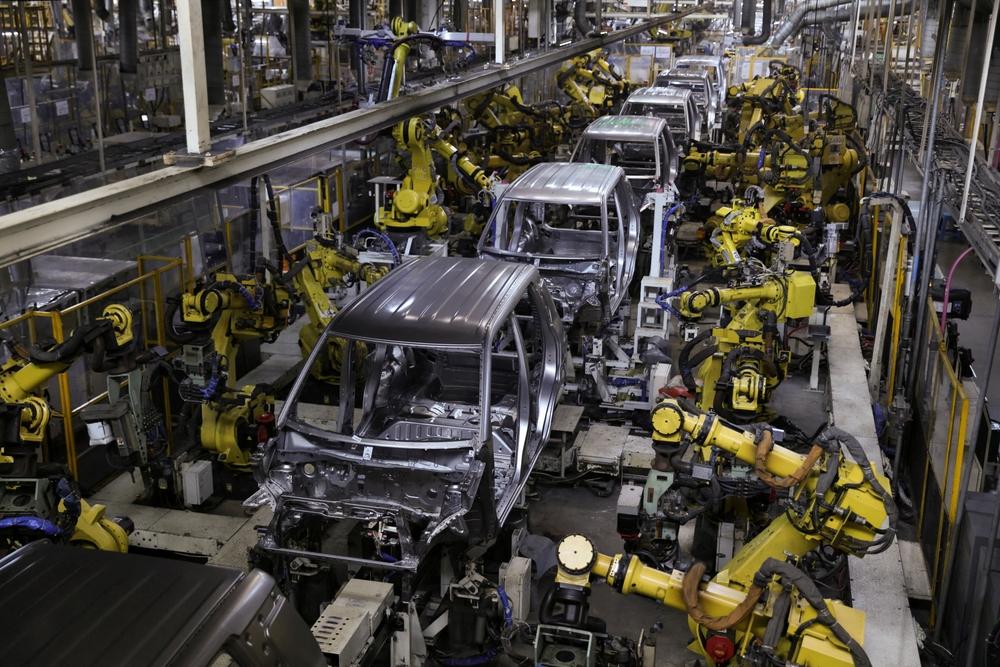
Meeting the demands of modern vehicle production
In today’s automotive industry, production is no longer only about speed. Manufacturers must also manage complex materials, strict safety standards and the growing demand for more sustainable vehicles. This is especially clear in body shop production, where lightweight materials such as aluminum, high strength steel, ultra high strength steel, composites and carbon fiber are increasingly used. For companies looking for advanced body shop solutions, Atlas Copco offers technologies designed to support demanding automotive joining applications.
The shift toward lighter vehicles has created new challenges for automotive manufacturers. Traditional welding is not always the best solution when different materials need to be joined in the same structure. A vehicle body may contain several material combinations, each with its own requirements for strength, flexibility and long term durability. This means that manufacturers need joining processes that can deliver consistent quality while supporting both safety and efficiency.
At the same time, electric vehicles and new mobility concepts are changing how manufacturers think about production. Vehicle structures must support crash performance, battery protection, corrosion resistance and overall stiffness. Every joint must perform as intended, and every process must be repeatable. In this environment, reliable fastening, adhesive dispensing and quality assurance systems become essential parts of the production strategy.
Advanced joining technologies for mixed materials
One of the biggest challenges in automotive body production is joining mixed materials without weakening the structure. As manufacturers use more aluminum and other lightweight materials, they need technologies that can create strong and reliable joints where welding may not be suitable. Self pierce riveting, flow drill fastening and industrial adhesive dispensing are three important solutions that support modern body shop applications.
Self pierce riveting is widely used for joining mixed materials such as aluminum and high strength steel. The process creates robust joints without the need for pre drilled holes, making it suitable for safety critical body in white applications. It also works well together with adhesives, which can help improve stiffness, crash performance and corrosion resistance. This combination is particularly valuable when manufacturers need both mechanical strength and long term structural integrity.
Flow drill fastening is another important technology in automotive production, especially when access is limited to one side of the component. This makes it useful for complex vehicle body structures where conventional fastening methods may be difficult to apply. The process is designed to join material stacks with precision, while monitoring insertion based on the materials used in the application. For manufacturers, this means greater control and better consistency in demanding production environments.
Industrial adhesive dispensing plays a central role in body shop production as well. Adhesives are used for bonding, sound dampening, sealing and gap filling. In body in white processes, adhesive application can contribute to improved crash performance, increased vehicle stiffness and better protection against corrosion. When dispensing is accurate and repeatable, it supports both product quality and process stability, which are crucial for large scale automotive manufacturing.
Quality, data and process control in automotive manufacturing
Automotive production depends on precision. A single weak joint or inconsistent application can affect product quality, rework levels and customer confidence. This is why quality assurance and process data have become increasingly important. Modern manufacturers need more than reliable tools; they need connected systems that help them plan, program, inspect and improve production processes.
Smart quality assurance solutions make it possible to collect relevant data during production and inspections. This allows manufacturers to monitor results, identify deviations and make informed decisions faster. In a body shop environment, where thousands of joints may be created on each vehicle, access to reliable production data can help improve traceability and reduce the risk of defects reaching later stages of assembly.
Data also supports continuous improvement. When manufacturers understand how tools, fastening systems and dispensing processes perform over time, they can optimize production with greater confidence. This can lead to fewer errors, more stable output and better use of resources. In competitive automotive manufacturing, small improvements across many processes can have a significant impact on efficiency and profitability.
Process control is especially valuable when production lines must handle multiple vehicle models or material combinations. Flexible systems help manufacturers adapt to different applications while maintaining consistent standards. This is important as vehicle platforms become more complex and production needs change more frequently. The ability to combine advanced joining technologies with smart data driven control gives manufacturers a stronger foundation for future production demands.
Supporting productivity and sustainability goals
Productivity in the automotive industry is closely linked to reliability. Production lines must run smoothly, tools must perform consistently and processes must be easy to integrate into existing operations. When joining technologies are stable and well matched to the application, manufacturers can reduce downtime, improve cycle times and support a more predictable production flow.
Sustainability is also a growing priority. Lightweight vehicle designs can contribute to improved energy efficiency, especially in electric vehicles where weight affects driving range and performance. However, lightweighting only works when materials can be joined safely and efficiently. Advanced fastening and adhesive technologies make it possible to use lighter material combinations while still meeting strict safety and durability requirements.
Efficient production also supports sustainability by reducing waste and rework. When adhesive dispensing is accurate, riveting is reliable and fastening processes are monitored, fewer parts need to be repaired or scrapped. This helps manufacturers make better use of materials and resources. In high volume production, even modest reductions in waste can create meaningful operational and environmental benefits.
Another important factor is the ability to develop tailored solutions. Every automotive manufacturer has its own production setup, material strategy and performance requirements. A solution that works well in one body shop may need to be adapted for another. This is why close collaboration between manufacturers and solution providers matters. By looking at the full production process, it becomes easier to select technologies that support quality, productivity and long term value.
Building stronger automotive production for the future
The future of automotive manufacturing will continue to be shaped by electrification, automation, lightweight design and digital production methods. As vehicles become more advanced, production processes must become more precise and adaptable. Manufacturers will need solutions that can handle complex joining challenges while supporting high standards for safety, quality and sustainability.
Body shop production is a clear example of this development. It is where material innovation, structural performance and production efficiency meet. The joining methods used in this stage have a direct influence on the final vehicle’s strength, durability and performance. Choosing the right technologies is therefore not only a technical decision, but also a strategic one.
Manufacturers that invest in advanced joining, dispensing and quality assurance solutions are better prepared for changing market demands. They can work with mixed materials, support electric vehicle platforms and improve process control across production. This creates a more resilient manufacturing environment where innovation can be introduced without sacrificing reliability.
For automotive companies, the goal is not simply to add new equipment to the production line. The real value comes from integrated solutions that fit the application, support the operators and deliver measurable improvements. With the right approach, body shop production can become more flexible, more efficient and better aligned with the future of mobility.
As the automotive industry continues to evolve, manufacturers need partners and technologies that understand the complexity of modern production. Strong joints, accurate adhesive application, smart fastening systems and reliable quality data all contribute to vehicles that meet today’s expectations and tomorrow’s challenges. In a market where performance and precision matter at every stage, advanced industrial solutions can make a clear difference.